AIアライメント
>Japan Alignment Conferenceは、米国や英国のAIアラインメント研究者と日本のAI研究者や起業家が一堂に会する2日間のワークショップです。
訳語は何かという話題でカタカナでそのまま書くのを見ることが多いって話をした
表記揺れ
「アラインメント」という言葉の由来
発想は1960年からあり、「alignment」という名前が付いたのは2014年ごろ
1960 ノーバート・ウィーナー「Some Moral and Technical Consequences of Automation」Science 131巻、1960年5月6日
まだ「alignment」という言葉は無いが、アラインメント問題を最初に表明したものとしてよく引かれる
> If we use, to achieve our purposes, a mechanical agency with whose operation we cannot efficiently interfere once we have started it, (...) then we had better be quite sure that the purpose put into the machine is the purpose which we really desire and not merely a colorful imitation of it.
2002 先例:Shapiro と Shachter の「User-agent value alignment」(AAAI Spring Symposium、Technical Report SS-02-07)
要旨だけ確認した。本文は未確認
2014年11月 スチュアート・ラッセルが Edge の討論(Jaron Lanier「The Myth of AI」への応答)に寄稿した「Of Myths and Moonshine」
> we need to build intelligence that is provably aligned with human values
> we will need to solve the value alignment problem even for relatively unintelligent AI systems
Edge: The Myth of AI(討論の日付は 11.14.14。ラッセルの寄稿そのものには日付の表示が無い)
2014年12月 MIRI(Nate Soares と Benja Fallenstein)「Aligning Superintelligence with Human Interests: A Technical Research Agenda」
「有益な目標を確実に追求する、人間より賢いシステム」を "aligned with human interests"、略して "aligned" と呼ぶ、と定義している
2017年に「Agent Foundations for Aligning Machine Intelligence with Human Interests」と改題して Springer の論文集に収録された:現行PDF
関係者の回想によると、それまでの呼び名は「Friendly AI」や「control problem」で、ラッセルが MIRI に「alignment」という語を提案したという。ただし出所はこの回想だけで、一次資料は未確認:When was the term "AI alignment" coined?
2016年5月 Eliezer Yudkowsky のスタンフォードでの講演「AI Alignment: Why It's Hard, and Where to Start」
2022年3月 OpenAI InstructGPT の論文「Training language models to follow instructions with human feedback」
> In other words, these models are not aligned with their users.
人間のフィードバックによるファインチューニングで、言語モデルを利用者の意図に沿わせる(aligning language models with user intent)
研究者以外も耳にするようになったのは、このあと ChatGPT が出てから(ここは見立てで、出典は無い)
リバースアラインメント は、この「AIを人間に沿わせる」矢印を逆にして、社会の制度の側も作り直そうという言葉
OKRの「アライン」との関係
OKRで「Align」が柱として書かれたのは2018年。AIの「alignment」(2014年)より後なので、少なくともこの本からAI側が借りた言葉ではない
John Doerr『Measure What Matters』(Portfolio、2018年4月24日刊)は、OKRの4つの「スーパーパワー」の2番目を「Align and Connect for Teamwork」としている(第7〜9章)
見出しは読者のハイライト(Goodreads)で確認しただけで、原書では未確認:Goodreads notes
OKRそのものはもっと古く、Doerr は1999年に Google の創業者に紹介している:whatmatters.com
2018年より前の OKR の文書で "align" が使われていたかは確認していない
構造は同じ
どちらも「任せる側の目的に、任される側の目的を揃える」話で、プリンシパルエージェント問題の言い換えになっている
OKR:会社の目標にチームや個人の目標を揃える(OKRの文脈でのアライメント)
AI:人間の目的にAIの目的を揃える
AI側でも、2002年の Shapiro & Shachter が value alignment をプリンシパル=エージェント問題として定式化している(要旨で確認):要旨
アラインメントされていないOKR
ボトムアップのOKR に書いた『Measure What Matters』日本語版の引用
> トップダウンとボトムアップの目標、すなわちアラインメントされたOKRとアラインメントされていないOKRの関係が自在に変化する(P.134)
> すべての目標をトップダウンで設定すると、意欲は削がれてしまう(P.57)
OKRの言葉では「アラインメントされた」=トップダウン。Doerr は半々がよいと言う
AIアラインメントは、いわば全部をトップダウンで揃える側にあたる
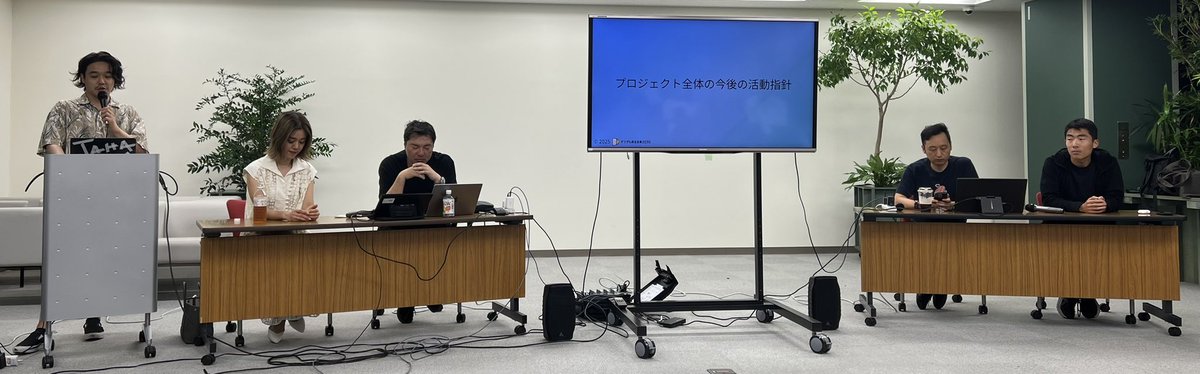
10/4 の PRANCE シンポジウムでも、同じトップダウンとボトムアップの論点が出た(公開動画 (1/3)。引用は YouTube の自動字幕のまま)
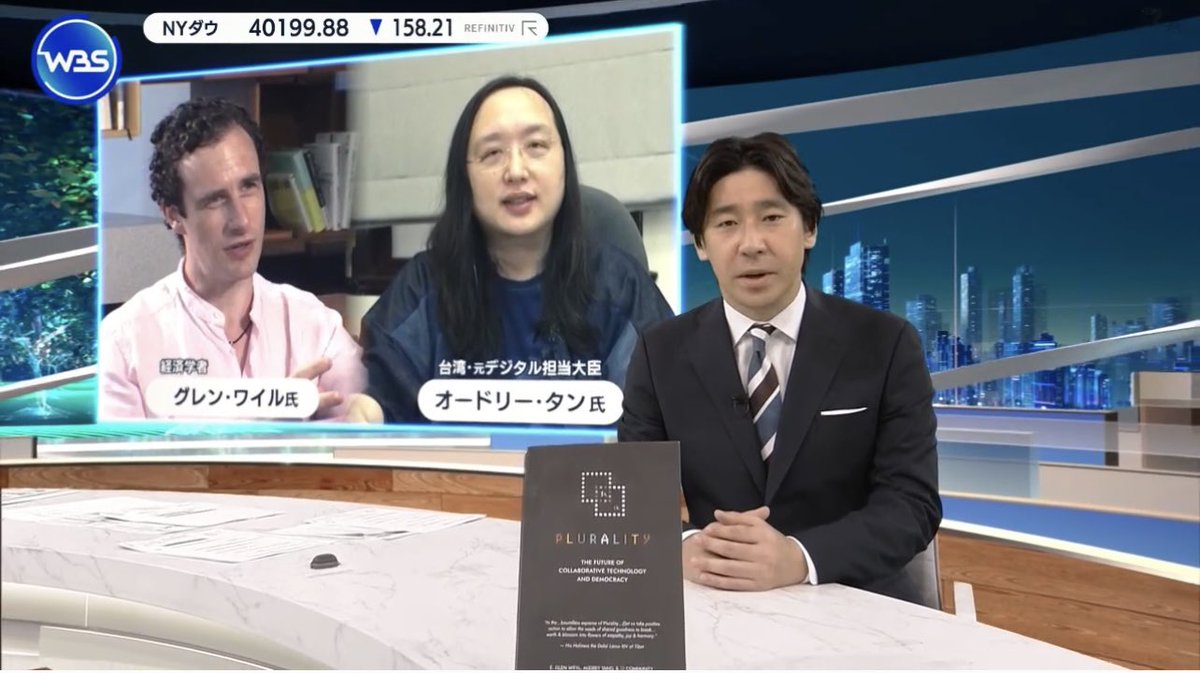
Glen Weyl は、価値観を一律に決めず、共同体ごとに定義できるようにするアライメントを提案した
> We can empower every community to define that for themselves.
> so that they maintain their integrity and don't get papered over by a single global perspective.
討論者の山本龍彦(慶應・憲法)は、リバースアラインメントそのものがトップダウンに見えると指摘した
> the reverse alignment project can appear to be an initiative led by elites from prestigious universities, um giving the impression of top-down alignment.
> rather than having elites and experts impose alignment on institutional and legal um systems from above, we must uh listen to the real voices of workers, labor unions, consumers, consumer groups, and those requiring care
これは Doerr の「すべてをトップダウンで設定すると意欲が削がれる」と同じ形の批判
方向性の合意としてのアラインメント
みんなで行ったところが事後的に「遠く」と定義される では、アラインメントを決まったゴールへの整列ではなく「方向性の合意」として使い、合わない人はフォークしてよい、とした
これは Glen の比喩「タルムード=元祖オープンソース」(フォークもメインも両方残す)と同じ構造:Glen Weylの5つの比喩(チームみらい勉強会 2026-10-02)
ここは連想で、出典に基づく主張ではない
Related Pages




- →西尾泰和×サイボウズ・ラボ×一般社団法人未踏×未踏ジュニア×エンジニアの知的生産術×ロングセラー×社会的証明×時の試練×陳腐化×ChatGPT×学びのサイクル×予測モデル×学びの機会×創造性×意欲×熱意は希少なリソース×知識を構造化×応用する能力×情報の氾濫×情報を取捨選択する能力×自分なりの考え×価値あるアイデア×学ぶべき対象を見極める能力×ai時代を生き抜く×機械の力を活用×人間としての創造性を発揮する×知的生産物×社会的トリガー×連想のストック×知識のネットワーク×scrapboxは忘れたことを思い出させてくれる×有用な概念の当たり判定を拡大する×過去の自分×kozaneba×電子的kj法のメリット×kj法勉強会@ロフトワーク×似たものと比べることで理解が進む×自分のscrapboxをchatgptにつないだ×retrieval-augmented_generation×差別化×コモディティ化×パーソナライズ×nishio_hirokazu's_assistant×lenchi_前書き×lenchi_前書き生成過程×エンジニアの知的生産術_著者公式ページ×自己紹介×主観か客観かではなく、一人の主観から大勢の主観へ×ブロードリスニング×audrey_tang×Glen Weyl×⿻數位_plurality×理解を組み立てる×共同化×デジタル公共財→
- →ai-task-fusen×ai_swarm×gtdのinbox×gtd×グループ編成×gtdとkj法のアナロジーの言語化×抽象化×認知的負荷×人生の目的×結晶化×gtd:トップダウンかボトムアップか×ひとつ上のgtd×エンジニアの知的生産術×(2.2.4.2)_価値観はボトムアップに言語化する×第4刷に向けての修正差分×知識のネットワーク×kj法×OKR×目的の階層構造×上位の目的×下位の目的×価値観×タスクはwhat_to_do×思いついたタスクはしばしば、実行するには過度に抽象的である×aiと人間が連携して知的生産をするときのワーキングメモリーの拡張×情報の洪水×ブロードリスニング×律速は人間の判断回数×多面指し:人間の判断がボトルネックになる×週記2025-03-16~2025-03-24×タスク管理の振り返り2026-11-14×消えないai管理×書けば消えない×aiと散歩しながら雑談2025-01-04×inbox×並列タスク管理のストレス緩和×aiタスク管理×aipm×不定形プロジェクト×タスク付箋×aiによるタスク管理・状況の横断的把握→

- →コミュニタリアニズム×テクノ・コミュニタリアン×コミュニタリアン×橘_玲×ハワード・ラインゴールド×audrey_tang×right_livelihood×東浩紀×パトリック・デニーン×Glen Weyl×福田恆存×日記2025-08-01→

- →生産性のパラドックス×汎用技術×GPT×general-purpose_technologies×generative_pretrained_transformer×工場×Glen Weyl×リバースアライメント勉強会×技術の進歩が社会構造の変化をもたらす×生産性→
- →andy_grove×high_output_management×rick_klau×objectives_and_key_results×alignment×OKR×mbo×management_by_objective×drucker×the_practice_of_management→
- →OKR×radical_focus×objectives_and_key_results×クリスティーナ・ウォドキー×Measure What Matters×ドラッカー×management_by_objectvies×及川_卓也×動機付け→

- →事実×規範×ヒュームの法則×ヒュームのギロチン×デイヴィッド・ヒューム×人間本性論×進化心理学×自然主義的誤謬×g.e.ムーア×倫理学原理×サール×制度的事実×アライメント×6-Pack of Care×civic_ai×厚いアライメント→
- →Glen Weyl×安野_貴博×リバースアラインメント×同時通訳×新幹線デモクラシー×コンピューター×apple_ii×ニューラルネット×インドラの網×plurality×インドラの真珠×保守と変化×保守と創造の対立と循環関係×和魂洋才×データセンター×お風呂×温泉×institutional_complements×熱すぎて人間が入れない温泉のたとえ×フォーク×タルムード×オープンソース×多元性×ドレッド・スコット判決×オードリー・タン×鈴木健→

- →asker_bryld_staunæs×synthetic_summit×ハイパーリーダーシップ×ヨーロッパのデジタル政党は反エスタブリッシュメント×いどばたシステム×インタビューaiグランプリ×cartographer×みらいaiインタビュー×チームみらいの社会実験「しゃべれるマニフェスト」から得られた知見×plurality×michal_malý×inside_the_ai_party:_the_case_of_team_mirai×syntheticism:_how_i_learned_to_love_democracy×プラットフォーム型政党×pirate_party×podemos×五つ星運動×liquid_democracy×直接民主制×ブロードリスニング×Glen Weyl×andrew_trask×synthetic_technocracy×2026年社会情報学会→
- →盲点×triz×トップダウンとボトムアップ×盲点カード候補×まだ絵のない盲点カード×visual_thinking全史発掘レビュー×一見矛盾する二つの動き×8割できてから一旦悪化する×同じ根から益と害が生まれているなら害の抜本的解決は人によっては害×要素の訪問順を変える×どこから来たのか・どこへ行ったのか×増えるのか減るのか×失敗確率が高いが平均的に良い×バラツキが多い方がよいとき×円であるという思い込み×量が減らなくても割合は減る×直交しない2軸×湖にコップ一杯の水を入れる×インタラクションの属性×対立しているものを分割する×上が単一という思い込み×バーベル×解が一つとは限らない×大きな石だけが水面から顔を出す×トートバッグ×二人が違うことを言う絵のシリーズ×二人が違うことを言う絵のシリーズを盲点カードに追加するかどうか?×無味乾燥×(6.3.1.1)_誰が顧客かわからなければ、何が品質かもわからない×用途が明確になってからふるいわけ×ネットワーク構造×ツリーとリゾーム×知識のツリーではなく知識のリゾーム×「xである」と「xでない」が両立する×家族的類似性×妥協の方法は複数ある×良いものを移動させる×要素ではなく集合×集合ではなく軸×対立は一つだけではない×描きやすい絵のバイアス×最速のコースは最速ではない×片方向ではなく両方向×観測範囲の問題×誤った二分法×無味乾燥ページ×効果の有無×「なぜ」は曖昧×大小関係が存在しない×次元の呪い×イコールでないものを同一視し、差の拡大によって同一視できなくなる×円柱は円にも四角にも見えるが、円でも四角でもない×自分を自分の一部に使う×知識の少ない人からでも学ぶことができる×無の場所×同じものに属する違うもの×対称性×黄金比×陰陽太極図×弁証法×2015×螺旋階段×逆に進むがゴールは同じ×一つでも二つでもある×降りるために登らなければならない×別の世界で解決する×「同じ」と「違う」は両立する→
- →precise_zero-shot_dense_retrieval_without_relevance_labels×仮説的文書埋め込み×Hypothetical Document Embeddings×hyde×InstructGPT×contriever×埋め込みベクトル×blu3mo→

- →異なる価値観に対する許容度×動かせない状況×思考の結節点2025-05-03×つながりと白黒×離れないことを前提とした関係×組織は人の接続からなる×遠くへ行きたければみんなで行け×みんなで行ったところが事後的に「遠く」と定義される×コミュニケーションチャンネルを明確化する→
- →出る杭は打たれる×若者はひとりでなら早く走れる。年寄りがいると遅くなるが、遠くに行ける×rudyard_kipling×ゲヘナ×一人で旅する者が最も速く旅する×共創の前にまず独創×最初に動く人は一人でも動く人×ファーストペンギン×津波てんでんこ×どういう条件が満たされた時に「みんなで行けば遠くに行ける」のかを数学的に考察×みんなで行ったところが事後的に「遠く」と定義される×多様性×チームワーク×遠くへ行きたければみんなで行け→
- →なめ敵会×なめら会議×鈴木健×ikkun×なめらかな社会とその実装×ぬかどこみたいなコミュニティ×ryoar×妄想による発展×sfプロトタイピング×sowawa×sur40×マークアップ率×障壁を取り除く=なめらか化×似ている→違いは?×pinterest×雑だが有益×雑×retroactive_funding×成果が出た後で評価する方が容易×何が役に立つかよりも、何が役に立ったかについて合意する方が簡単×死んだテキスト×死んだ知財×知識はネットワークで保存される必要がある×memex×常緑のノートはアトミックであるべき×有用な概念の当たり判定を拡大する×物権法的主義×story_protocol×ルソー×人間不平等起源論×ノウアスフィアの開墾×radical_markets×molecule×lightning_labs×toshiya_tanaka×時間軸のマージ×自分などというものはない×核と膜の構造から脱する×制御という幻想×quic×tcp×udp×今はプログラミングが生まれて最初の1世紀×加速思想×断続平衡説×なめ敵×柄谷_行人×贈与の共同体×エコヴィレッジ×dedeal×メルカリ×decentralized×centralized×誰も強制されない×ネットワーク効果×内在的闘争と超出的闘争×超出的×暇と退屈の倫理学×ポスト稀少性時代×moore's_law_for_everything×solidity_house×濱田_太陽×desci_tokyo×chugai_innovation_day_2023×funding_the_commons×tkgshn×protocol_labs×innovation_commons:_the_origin_of_economic_growth×radicalxchange×Glen Weyl×audrey_tang×vitalik_buterin×plurality×全体主義の起源×全体主義×ボーグ×radicalxchangeの”x”×交換様式×交換様式論×トランスクリティーク×認知の解像度×闘技民主主義×敵味方なくなると全体主義になる×闘技×民主主義には競争性が必要×集まるのが最初の一歩、一緒に居続けるのが進歩、一緒に働くのが成功×習合×貨幣論×岩井_克人×マルクスその可能性の中心×探究(柄谷_行人)×貨幣の自成と自壊×安冨_歩×恐慌論×ハーバーマス×社会システム理論×オートポイエーシス×ノウアスフィアの開墾と交換様式論×nam×lets×ハンナ・アーレント×カール・シュミット×pluralityとなめ敵には家族的類似性を感じる×家族的類似性×バタイユ×コミュニオン×貨幣は0記号×humor_over_rumor×polis×community_notes×水銀を飲んで不老不死×メカニズムデザイン×物神×モースの贈与論×ハウの精霊×ハウの呪力×情報は情報発信者に集まる×6次の隔たり×シグモイド関数×アローの定理×未踏×物価とは何か×ブログが解体されsnsとscrapboxになった×sui×aptos×libra×共創の前にまず独創×ブロードリスニング×孫正義×21世紀のイデオロギー×スピンアウト×良いものを移動させる×エンロン×sox×j-sox×未踏と日本版バイドール法×竹内_郁雄×前川_徹×産業活力再生特別措置法×日本版バイドール法×与謝野_馨×萩原_崇弘×未踏ソフトウェア創造事業×為末_大×人生100年時代の社会保障とpolitech×非目的論的ないじくり回し×境界のなめらか化×あいまい化×ファジー集合×会社境界の曖昧化×キャンプファイヤー経営×東_浩紀×観光客の哲学×nostr×自分の成果物を自分で使え×オーナーシップ×辺境×反出生主義×スイスは自殺幇助が合法×最大多数の最大幸福×幸福の合理的追求×自由からの逃走×自由意志×自我×テセウスの船×還元主義×リベットの実験×世界公務員×量子力学的ロシアンルーレット×運が良い×人間原理×メタ認知×唯識思想×十牛図入門×worldcoin×ubi×worldcoinはガバナンストークン×decentralized_id×paypayは100億円あげちゃうキャンペーンで規模を拡大した×aiとの共生×同型性の宇宙:生命から政策まで×複雑系への適応として見る「なめ敵」とplurality→
- →主観か客観かではなく、一人の主観から大勢の主観へ×ブロードリスニング×情報の複製により情報発信は効率化されたが、受信は改善しない、情報を減らす技術が必要×要約技術×関_治之×シビックテックによる、社会と民主主義のアップデート×polis×talk_to_the_city×andrew_trask×一人の人間が何百万人と対話することが可能になる×広範囲の傾聴×広聴×多聞×広範な傾聴×デジタル広聴×安野たかひろ氏が東京都知事選に出馬へ×Glen Weyl×知的生産性×生身の人間×人間増強×plurality×broad_listening×deliberation×熟議×polisをもっとやりたい×多重視点×生煮えのトピック×切り口→
- →サイボウズラボ勉強会×尾鷲2024-01-23~24×plural_management×quadratic_votingとplural_management勉強会×quadratic_mechanism×階層的な組織の権威×ネットワーク化された権威×pluralなメカニズム×実力ベースの権力構造×オープンソースソフトウェア開発×価値ある貢献×勤勉さ×参加×適応的な集合知×plurality×二次的メカニズム×オープンソース×ソフトウェアマネジメント×組織力学×Glen Weyl×gov4git×quadratic_voting×quadratic_voting:_how_mechanism_design_can_radicalize_democracy×quadratic_funding×tyranny_of_structurelessness×ostrom_and_hess,_2011×社会的手抜き×公共財メカニズム×意思決定におけるボトルネック×才能の未活用×top-down_approach×上意下達×ボトルネック×ティール組織×メカニズムデザイン×二次関数的なコスト関数×予測市場×オークション×plural_management_protocol×collusion×beyond_collusion_resistance:_leveraging_social_information_for_plural_funding_and_voting×慈悲深い独裁者×フォークできるなら政治は不要×すべてのフォークは存在を許され、どのフォークに関心を持つかは周囲のコミュニティに委ねられる×誰も強制されない×社会制度をフォークする×g0v×民主主義はリアルタイムシステムへと進化する必要がある×social_inovation_legitimates_governance×ボタンが大量についたテレビのリモコン×メリトクラシー×アンダーマイニング×ちぎれる→

- →サイボウズラボ勉強会×ブロードリスニングの「あの図」勉強会×ブロードリスニング×都知事選2024×talk_to_the_city×日テレnews×2024衆院選×ブロードリスニング×世論地図×Plurality和訳×japan_choice×議員pedia×投票ナビ×政治参加×社会参加×じぶんごと×可視化×11万人の意見クラスター分析×polis×aiによるクラスタ解説×mielka×結城_東輝×台湾デジタル発展省×mashbean×funding_the_commons_tokyo_2024×Glen Weyl×glen+japanchoice×plurality×大きな物語×polis体験レポート:同性婚を合法化すべきか×polis勉強会×polis:_scaling_deliberation_by_mapping_high_dimensional_opinion_spaces×主成分分析×シルエット係数×fisherの正確確率検定×convex_hull×d3.js×モバイルファースト×majority_judgement×多数決×polis_2.0×aiクラスタ解説×会社さんはいない×2022年参院選のpolis的可視化×東京大学谷口研究室・朝日新聞社共同調査×公明正大→
- →アダム・カヘン×小田理一郎×plurality×社会的差異を超えた協力×ファシリテーター×変容的シナリオ・プランニング×パワーと愛の両輪×敵と協働する×ともに前進できる最小限の方向性×ファシリテーション×垂直型ファシリテーション×トップダウン×指揮命令×水平型ファシリテーション×ボトムアップ×合意形成×変容型ファシリテーション×力と愛×貢献とつながり×チームの知的生産性の向上×コンテクスト×メンバーの関係性×場の質×結論を出す×前に進む×ネガティブケイパビリティ×主体性×当事者性×障害を取り除く×神秘の出現に対する障害を取り除く×貢献・つながり・平等×敵とのコラボレーション×社会変革のシナリオプランニング×open_space_technology×u理論×未来を変えるためにほんとうに必要なこと×自己実現に駆り立てる力×再結合へと駆り立てる愛×垂直型ファシリテーションと水平型ファシリテーションはどちらもコラボレーションを制約する×民主的×水平型×垂直型×呼吸のたとえ×アウターゲームとインナーゲーム→
- →サイボウズラボ勉強会×funding_the_commons_tokyo_2024×Designing for Plurality×plurality_in_japan×Plurality in Japan(日本語)×andrew_trask×ブロードリスニングの命名דringi_system”_the_decision_making_process_in_japanese_management_systems:_an_overview×空気が支配する日本ではブロードリスニングが重要×心理的安全性×なめらかな社会とその敵×audrey_tang×Glen Weyl×plurality:_technology_for_collaborative_diversity_and_democracy×pluralityは新語×チームワークあふれる社会を創る×理想への共感×100人100通りの働き方×100人100通りの人事制度×デジタルツール×多様性×サイロ化×funding_the_commons×柄谷行人×交換様式論×デジタル民主主義×アダム・スミス×colors.js事件×Beyond Public and Private×安宅_和人×intersecting_group×21世紀のイデオロギー×統合テクノクラシー×企業リバタリアニズム→
- →funding_the_commons_tokyo_2024×plurality_in_japan×ftctokyo!×ftctokyo×talk_to_the_city×audrey_tang×Glen Weyl×plurality:_technology_for_collaborative_diversity_and_democracy×チームワークあふれる社会を創る×理想への共感×100人100通りの働き方×100人100通りの人事制度×デジタルツール×多様性×funding_the_commons×柄谷行人×交換様式論×デジタル民主主義×交換様式a×colors.js事件×Beyond Public and Private×安宅_和人×intersecting_group×21世紀のイデオロギー×統合テクノクラシー×企業リバタリアニズム×ブロードリスニング×主観か客観かではなく、一人の主観から大勢の主観へ×vtaiwan×polis×メディアとしてのグループウェア×生産性向上ソフトウェア×ソーシャルメディア×一丸となって共通の目標を達成×変化に適応×プロソーシャルメディア×グループウェア×副業×複業×パラレルワーク×理解され、実行されるまでの時間を短縮する×アジェンダ設定の権限×参加型政策立案×参加型予算編成×majority_judgement×quadratic_voting×kj法の累積的効果×vtaiwanでuberに関する議論がどう進展したか×meetup_with_audrey_&_glen×audrey+glen+halsk@cybozu×未来はすでにまだらに存在している×組織の境界×なめらか化×開門造車、你行你来×思惟経済説×plurality質疑@ftctokyo→
- →21世紀のイデオロギー×radicalxchange×political_ideologies_for_the_21st_century×濱田_太陽×Glen Weyl×3つのイデオロギーの間に2つの対立軸がある×tokyopluralityweek×鈴木_健×中山_心太×誤った二項対立×蹄鉄理論×civilization_6×民主主義×ファシズム×共産主義×統合テクノクラシー×企業リバタリアニズム×デジタル民主主義→
- →破壊的イノベーション×多軸×disruptive_innovation_can_occur_even_if_technology_progresses_gradually×失敗回避×戦場の霧×分散の異なる二つの確率分布×個人としての合理性×プリンシパルエージェント問題×合理的な業績評価→

- →Plurality Tokyo Namerakaigi×サイボウズラボ勉強会×pol.is×community_notes×メカニズムデザイン勉強会×majority_judgement勉強会×pluralityとpolis勉強会×polis勉強会×quadratic_votingとplural_management勉強会×talk_to_the_city勉強会×世論地図勉強会×高次元データ分析勉強会×デジタル民主主義研究ユニット×ピボット×古典期アテネの民主主義のスケール×国民こそが唯一の正統な権威である×フランス革命×フランスでの女性参政権×一人一票×未成年者には投票権がない×成年被後見人の選挙権×ドメイン投票方式×デメニー投票×デーメニ投票×quadratic_voting×Glen Weyl×qv×radical_markets×audrey_tang×vitalik_buterin×quadratic_funding×audrey_tangのqv×glen_weylのqv×quadratic_votingがシナジーの発見に有用×台湾総統杯ハッカソン×QVは投票しないことに意味のあるメカニズム×「投票しないことは良くないことだ」は根拠のない思い込み×vitalik_buterinらのquadratic_funding×a_flexible_design_for_funding_public_goods×akb48総選挙×gitcoin×gitcoin_grants×公共財×リソースの再分配×社会的意思決定×メカニズムデザイン×多数決×くじ引き×抽選制×抽籤制×プラトン×アリストテレス×ジェームズ・マディソン×ジョン・スチュアート・ミル×アレクシ・ド・トクヴィル×選挙は4年に一度5bit送信する遅い通信だ×ブロードリスニング×polis×pol.isでのuberの議論×metaがファクトチェックを廃止×community_notesにおける行列分解を用いた信頼度スコアリング×多様な主体から支持されることを評価する仕組み×talk_to_the_city×日テレnews×2024衆院選×ブロードリスニング×シン東京2050ブロードリスニング×umap×世論地図×mielka×2024衆院選×japan_choice×meta-polisの構想×mashbean×協力の深さと広さのトレードオフ×plurality本×aiあんの×タウンミーティング×非同期化×空間と時間の制限から解き放つ×chatgptとaiあんののコミュニケーションの形の違い×ai政治家の3つのレベル×aiが間に入って非同期化×open_space_technology×アジェンダ設定の権限を人々に開放する×vitalik×主観主義×3つのイデオロギーの間に2つの対立軸がある×aiが仲介するコミュニケーション×bluemo×intersubjective_model_of_ai-mediated_communication:_augmenting_human-human_text_chat_through_llm-based_adaptive_agent_pair×時間の制約×心理的安全性×緩やかに繋ぐ×デジタル民主主義2030×同じ時間と場所を共有できない人に機会を用意×metapolis×スケーラビリティ×デジタル民主主義×コミュニティ×大規模コラボレーション×xy問題×熟議のための4つのステップ×リプライはスケールしない×リプライさせない×your_priorities×コトノハ→
- →日記2025-07-18×デジタル民主主義2030×デジタル民主主義2030_meetup×leon_erichsenとjade_roche来日×dd2030×qvは決定論的×beyond_collusion_resistance:_leveraging_social_information_for_plural_funding_and_voting×Glen Weyl→
- →plurality×サイボウズ×audrey_tang×Glen Weyl×plurality:_technology_for_collaborative_diversity_and_democracy×コラボレーション×多様性×多様な人々が協力して物事を成し遂げていくための技術×チームワークあふれる社会を創る×チームワーク×100人100通り×共感×理想への共感×ブロードリスニング×主観か客観かではなく、一人の主観から大勢の主観へ×vtaiwan×polis×メディアとしてのグループウェア×生産性向上ソフトウェア×ソーシャルメディア×一丸となって共通の目標を達成×変化に適応×プロソーシャルメディア×グループウェア×デジタル民主主義×理解され、実行されるまでの時間を短縮する×アジェンダ設定の権限→
- →なめら会議×plurality_tokyo×デジタル民主主義研究ユニット×funding_the_commons_tokyo_2024×デジタル民主主義をスケールさせるには?×デジタル民主主義2030×安野貴博×tkgshnの鈴木健批判と和解×気流舎×plurality_tokyo_salon_2023-10-06×ハンナ・アーレント×安野チーム台湾報告会×llms_and_public_discourse×plurality_institute×democratization_of_ai_and_social_implementation_using_web3@ftctokyo×tackling_east_asia’s_population_decline_issues_with_local_coop’s_subsystem_for_local_governance×rightscon×シン東京2050×2050東京戦略×unconference×構想日本×濃いクラスタ抽出×投票の選択肢を決めるのの手前に議論が必要×heal_michigan×ヘキサコ×the_dark_triad×自分ごと化会議×pluralityは無色の新語として作られた×ほづみゆうき×kleros×プリンシパルエージェント問題×ダロン・アセモグル×武器としての交渉思考×ビクトリア朝のインターネット×plurality_tokyo_2025-02-25→
- →funding_the_commons_tokyo_2024×audrey_tang×Glen Weyl×サイボウズと語ろうplurality_多元性の実践と期待×meetup_with_audrey_&_glen×ftctokyo_day1×ftctokyo_day2×audrey+glen+halsk@cybozu×wired_university_×_miraikan×glen+japanchoice×世論地図×tackling_east_asia’s_population_decline_issues_with_local_coop’s_subsystem_for_local_governance×open_problems_toward_realization_of_nameraka_(smooth)_society×funding_the_commons_西尾のスケジュール×小池百合子@ftctokyo×funding_deeptech_and_decentralized_science_(panel)@ftctokyo×democratization_of_ai_and_social_implementation_using_web3@ftctokyo×Plurality in Japan(日本語)×Designing for Plurality×plurality_in_japan×関_治之×サイボウズ式→
- →世界を理解×思考を進め×新たな知見を生み出す×視点×問いの立て方×世界を「分ける」ことで「わかる」道具×分ける×解像度を高める切り口×「わかる」と「分ける」×多数派の人が少数派になる×boethiusの28の論点指針×認知の解像度×新しい発見と構造化を促す触媒×固定観念×新しい発見を促す触媒×カラーバス効果×トップダウン×既存の分類×「グループ編成には発想の転換が必要」加筆案×未知のパターン×未知の構造×事後的に見出される切り口×洞察×有用な切り口×造語は知的生産ではない×新規性×切り口に基づいた思考や実践の「蓄積」×誰よりも多くの蓄積を積み上げた×掘り下げ×積み上げ×360度の視角から×aiとの対話×異なる視点×異なる切り口×forkwell_library#55質疑×分節化×理解の解像度×問い×既存の枠組み×触媒×知的生産×結果として見出され×問題解決×有用な道具×単一ではなく複数×多様な視点×対話×豊かになる→
- →Glen Weyl×radical_markets×radicalxchange×共通所有・自己申告制税×common_ownership_self-assessed_tax×コミュニティによる共同所有×quadratic_voting×visas_between_individuals_program×反トラスト強化×規模の経済×労働組合×コミュニティ主体のパワーバランス形成×data_as_labor×共同価値の再分配×制度的イノベーション×3つのイデオロギーの間に2つの対立軸がある→
- →aiエージェントとアジャイル・スクラム×aiエージェントとpmbok×目的の明確化×役割の明確化×OKR×raci×scrum×スプリントレビュー×pdcaサイクル×コミュニケーションフローの設計×情報共有プロセスの整備×kpi×品質指標×明確な目標の提示×タスクと責任範囲の割り当て×定期的な進捗管理×フィードバックによる学習と最適化→
- →かつての検索×キーワード×ChatGPT×説明×google検索×gpt4×幸運の女神には前髪しかない×辞書×aiは意味から単語を教えてくれる×検索はキーワードを入れて説明が出てきた×検索×キーワードで意味を検索するのではなく、意味でキーワードを検索する×意味から単語×概念で検索×辞書は単語から意味を得る×説明を入れてキーワードを見つける→
- →funding_the_commons_tokyo_2024×ftctokyo_day2×抗議とデモの違い×Glen Weyl×audrey_tang×メガネをかけても目が不要にはならない×plurality_in_japan→

- →情報処理×新時代の道具,_chatgpt:14_の視点からその可能性を探る×ChatGPT×一人の主観から大勢の主観へ×主観か客観か×誤った二項対立×chatgpt_api×陳腐化×抽象度の高い知識×具体的経験×みずからの目で見なければならない×根無し草の知識×今開いている扉が未来も開いている保証はない×幸運の女神には前髪しかない×エンジニアの知的生産術×知的生産性の向上×人間増強の四要素×概念のハンドル×取っ手×(column)_パターンに名前を付けること×(4.5.3.3)_思考の道具を手に入れる×発想法×方法論×名前×一部が消えて一部残り新しく生まれる×思考の結節点2023-02-23×ChatGPTに「質問を繰り返す聞き手」の役割を演じさせる実験×クリーンランゲージ×かんがえをひきだすチャットボットkeichobot×scrapboxに住んでるエージェント×aiの住んでるscrapbox×ai質問箱uiについて考える×自分のscrapboxをchatgptにつないだ×scrapbox_chatgpt_connector×自分のscrapboxをchatgptにつないだ話勉強会×aiパネルディスカッション×scrapboxはアイデアの精製器×エミュレータ×書籍とは双方向のコミュニケーションができない×仮想人格とのブレインストーミング×正しさと有用性は別物×異なる視点×盲点×気づく×すべてのデータはうそである×円柱は円にも四角にも見えるが、円でも四角でもない×コントロールできることに力を注ぎ、コントロールできないことは気にしない×コストが下がれば構造が変化する×plurality×audrey_tang×シンギュラリティ×ブロードリスニング×熟議×熟議のための4つのステップ×polis×sentiment_gathering_platform×認知能力の限界×人間増強×情報の複製により情報発信は効率化されたが、受信は改善しない、情報を減らす技術が必要×pluralityとpolis勉強会×シビックテックによる、社会と民主主義のアップデート×階層構造×中間管理職×間接民主制×代議士×デジタルネイティブ×選挙は4年に一度5bit送信する遅い通信だ×デジタルネイティブは4年に1度のアップロード帯域で十分とは思わない×まだ言語化されていない知識×文明に対する貢献×既に言語化された知識×世界とaiのインターフェース×世界をセンシングしてaiに与える仕事×まだ書かれていないことの森を切り拓いていく仕事×aiが読めない形での情報発信は価値が下がっていく×フォーク×正統性×投票×移動式投票×主観主義×panarchy×arxiv×査読×品質担保×情報共有の速度×オープンアクセス×有用性×大勢の主観×品質より速度×文明の乗り物×人間は一時的キャッシュ×accessism×openai×democratic_inputs_to_ai×anthropic×スケールする熟議×scalable_deliberation×opportunities_and_risks_of_llms_for_scalable_deliberation_with_polis×community_notes×主観的×オモイカネプロジェクト×主観か客観かではなく、一人の主観から大勢の主観へ:q&a×chatgptについてのコラムの準備×chatgptについてのコラムの準備2→
- →2024-07-22~27スペシャル週記×aiにkj法を教える×クラスタを掘り下げる×tttc_turboのプロンプトを読む×トップダウンとボトムアップ×投票の多いpolisが一塊になる現象×軸をクラスタリングする×aiによる主成分軸の解説×ppolis2024-05-27×週記2024-10-21~2024-10-28×日記2024-10-20×日記2024-10-22×日記2024-07-13×日記2023-10-21→
- →熟議の概念について解像度を高める×Glen Weyl×ラディカル・マーケット×quadratic_voting×quadratic_funding×全体の意志をどう反映するか×市場メカニズムの民主主義への応用×公共財のための資金調達×市場メカニズム→
- →funding_the_commons_tokyo_2024×濱田_太陽×デジタル民主主義×柄谷行人×世界史の構造×新たな社会システム×ローレンス・レッシグ×デジタル時代の法と自由×ビットコイン×分散型技術×イーサリアム×スマートコントラクト×分散型サイエンス×desci×desci_tokyo×audrey_tang×Glen Weyl×plurality×デジタル公共財×なめらかな社会とその敵→
- →plurality×ftctokyo×ひまわり学生運動×オードリータン×2次の投票×quadratic_voting×安野たかひろ×サムアルトマン×グレン・ワイル×wbs×Glen Weyl×デジタル民主主義→
- →テクノロジーとイノベーション×2014-07×東工大mot×輪読会×経済×テクノロジーの3つの原理×テクノロジーが生まれるメカニズム×テクノロジーが生物になる×競争優位の源泉×テクノロジーとどう向き合うか×ダーウィンの進化論×秩序対生命力×ニッチ×ハマナス×超好熱菌×商業的に利用可能×取り決め×通貨×物を得る権利×取り決めは価値を生む×アルファベット×標準化による価値×0による位取り×思惟経済×概念=取り決め×トップダウン×インタラクティブ×遠心調速機×組み合わせ戦略×競争優位×知識経済社会×組織の学習×ラーニング・スクール×戦略サファリ×エンゲルバード×augmenting_human_intellect:_a_conceptual_framework×グループウェア×利己的遺伝子論×利他的行動×個体は遺伝子の「乗り物」にすぎない×ミーム×利己的な遺伝子×人間の頭脳はミームの「乗り物」にすぎない×テクニウム×what_technology_want×集団的自由意志×人間はテクノロジーの乗り物にすぎない×ユーリー-ミラーの実験×gadv仮説×コアセルベート×techne×方法論×技術(techne)と学問(ology)の結びつき×力の非実在性×科学的方法×デカルト×方法序説×明瞭判明の規則×要素分解×具体から抽象へ×総合×科学的方法論×明瞭判明×我考える、故に我あり×理性×経験×方法的懐疑×コペルニクス×天体の回転について×ガリレオ×ニュートン×絶対的秩序×進化論×種の起源×ニーチェ×神は死んだ×力への意志×純然たる秩序を根底に持つ二十世紀の各種運動はすべて崩壊した×id説×ドーバー裁判×nature=生まれる・育つ×プラトン×ユダヤ教×イデア×超越者×神的理性×後見×カント×純粋理性批判×純然たる秩序×不格好な生命力×開放性×生物化→
- →なめら会議4×audrey_tang×Glen Weyl×ossとしての本×なめら会議×ひまわり学生運動×g0v×ライブ配信×リバース・メンター×quadratic_voting×投票メカニズム×quadratic_funding×資金分配メカニズム×vitalik_buterin×radical_markets×radicalxchange×柄谷_行人×交換様式論×plural_management×組織統治メカニズム×交換様式論の雑な説明×世界史の構造×遊動論×dの研究×力と交換様式×共同寄託×互酬的贈与×交換様式aの高次での回復×交換様式×互恵性×協力×互酬的贈与に基づく小規模コミュニティー×契約に基づく大規模な資本主義社会×新しい社会システム×plural_management_protocol×自分ごと×リーダーがボトルネックになる×共有地の悲劇×組織運営の「なめらか」化×ステップ関数×なめらかな権限移譲×一人一票×一ドル一票×組織論→
- →plurality_tokyo×alga×正統性=アクセシビリティ×経路依存性×経路依存性×身体性×トップダウン×unanimous_consensus×ボトムアップ×rough_consensus×micropublics×メッシュネットワーク×plurality×panarchy×qv×スマートニュース×kensuzuki→

- →collective_provision×supermodularity×divya_siddarth×matthew_prewitt×Glen Weyl×誤った二分法×ポール・サミュエルソン×ヴィンセント×エリノア・オストロム×正の外部性×公共財×半排除可能×クラブ財×半競合的×競合性×排除可能性×連続的な尺度→
- →伽藍とバザール×エリック・レイモンド×the_cathedral_and_the_bazaar×トップダウン×伽藍×cathedral×分散型×計画と秩序×linux×オープンソースプロジェクト×自由で協力的な開発アプローチ×クラブとバザール→
- →Glen Weyl×革新者を尊敬する悪い方法は、彼らを神のように扱うこと×ジェファーソン記念館×憲法は20年ごとに書き直す必要がある×老子×石に刻むべきではありません×臨機応変×君子は豹変する×伝統とは火を守ることであり、灰を崇拝することではない→
- →quadratic_voting×Glen Weyl×ハンナ・アーレント×政治からの自由は最も偉大な自由の一つ×民主主義×多様性×一人一票×興味のないテーマへの投票を強制されない自由×「投票しないことは良くないことだ」は根拠のない思い込み×紙と箱の投票×デジタルネイティブは4年に1度のアップロード帯域で十分とは思わない×興味があろうがなかろうが一人一票×ラディカル・マーケット×投票権を貯める×qvではボイスクレジットの継続価値を仮定している×QVは妥協の問題を解決する→
- →スケールしないことをやる×civictech×colors.js×デュアルライセンス×コンプライアンス×スーツはスキャム×開発可能な探索空間に対して試行回数が足りていない×長い目で見れば時の試練×長期的にはみんな死んでる×異常の構造×美作市×cryptoninja×エルサルバドルとビットコイン×固い組織×変わらなきゃ×出島×現代美術×ハイコンテキスト大喜利×ハイコンテキスト×大喜利×空気を読んで空気を壊す×空気を読む×村上隆×スーパーフラット×新しい文脈を生み出す×文脈×less_wrong×アライメント×報酬×doomalism×コンセプチュアルアライメント×知的な2ちゃんねる×バズワード×陰謀論者×エリートパニック×はしか×the_network_state:_how_to_start_a_new_country×balaji_srinivasan×ニック・ランドと新反動主義×金沢21世紀美術館×ロスコ・ルーム×plural_qf×joel_miller×Glen Weyl×beyond_collusion_resistance:_leveraging_social_information_for_plural_funding_and_voting×quadratic_funding×shinya_mori×dig_dao×mariroom×蒸し返すことで非線形に成長する→
- →日記2023-11-27×llm生成テキストの透かし×alphago×世界×ChatGPT×データを作るところが大事になる×定義された世界×llmのプログラミング能力は他の能力より伸びやすい×人間が全部直接入力するスタイルのプログラミングが駆逐されていく×考えてるだけで行動してない人×「考える」は世界のサンプリングではない×実装なき思想は、もう要らない。→
- →肩をすくめるアトラス×他の人が代わりにやってくれたものは結局自分のものにはなりません×よくわからないものに対して敵対的な態度を取ってしまう×ChatGPT×無課金のchatgptを日本語で試してわかった気になるのをやめろ×見慣れないものをちゃんと見ずに攻撃する×自分の目で見る×みずからの目で見なければならない→
- →属人性の排除には二種類ある×dependency_to_a_specific_person×with_no_standardization×key_person_risk×bus_factor×dependent_on_individual×属人性の排除×ガラパゴス概念×トラックナンバー×job_security×属人性の敵視×個人を歯車に×自分に無限に仕事が降ってくる×忙しい×待たせる×客を待たせてはいけない×終身雇用×心理的安全性×OKR×transactive_memory×属人性×主体性×subjectivity×違和感×異文化→
- →plurality×audrey_tang×E. Glen Weyl×テクノロジーと民主主義は戦争状態×反民主的なテクノロジー×aiは反民主的なテクノロジー×ChatGPT×言語モデル×実存的リスク×シンギュラリティ×アシスタント人工知能×変革的技術×人間社会に不可逆な影響を与える×独裁国家×協調的多様性×collaborative_diversity×協働できる多様性×democratic_inputs_to_ai×民主的プロセス×意思決定×少数の人間×公共の利益×多様な視点×概念実証×チーム×よりグローバルで、より野心的なプロセスの基礎×新たな民主的ツール×aiの未来のための試み×code_for_japan×code_for_nagoya×創設メンバー紹介×地球規模の熟議×反復構造×日本文化ai×異文化理解×ドラえもん×sf×aiは友達×付喪神×神×サピア=ウォーフの仮説×思考の部品×取っ手×名前×民主的プロセスとはなるべく多くの人の納得感を生み出すプロセスだ×納得感×plural_thinking×omoikane_vector_search×minimum_viable_product×大きなストーリーの一部になる×参加証明nft×貢献証明nft×hypercerts×retrospective_funding×halsk×mmotrpg×オープンベータ×採否は未定×熟議の方法論×プロジェクトに参加する→

- →chatgpt_plus新規申し込みを一時停止×陳腐化と焦燥感×説明がつかないものが重要×アプリ事業者は生き残れるのか?×限られたリソース×人間のハルシネーション×ChatGPT×日記2023-04-07×日記2023-04-09×日記2022-12-29×日記2022-04-08→


- →vitalik_buterin×soulbound×譲渡不能×Glen Weyl×puja_ohlhaver×decentralized_society:_finding_web3's_soul×soulbound_token×sbt×soulbound_tokens_(sbts)_study_report part_1:_building_and_embracing_a_new_social_identity_layer?→
- →wiki×作業メモ×scrapbox×ChatGPT×辞書×evernote×メモツール×オモイカネプロジェクト×神託×問いかける過程で答えが明確×神託的な助言×強制発想法×ポッドキャストとaiの類似点×ワンナイト人狼文字起こし2-7考察-ai要約3→
- →KeichobotとChatGPTを会話させてみた×Keichobot on ChatGPT×keichobot×ChatGPT×思考の結節点2023-02-23×keichobot+gptテスト2023-03-06→
- →オモイカネ勉強会の準備×ChatGPT×scrapbox×kozaneba×omoikane_embed×ベクトル検索×不用知×text_composter×適切な切り出し方は、ニーズが明らかになった後に決まる×梅棹_忠夫×カード型データベース×読者とのインタラクション×aiとのインタラクション→

- →ワク×独断性×独断的な分類×ワクぐみ×発想法×枠組み×グループ編成は小チームから大チームへ×かならず小分けから大分けに進まなければならない×トップダウン×分類×ボトムアップ×グループ×編成×グループ編成×kj法×川喜田_二郎→
- →言葉の意味×認識の溝×gpt-4×ChatGPT×gpt-3.5×知能格差×同じ言葉が違うものを指すことがある×認識の乖離×無課金のchatgptを日本語で試してわかった気になるのをやめろ×お金は未来へのアーリーアクセス権×試してすらいない人→
- →学び方×一方通行×講義受講×試行錯誤×プログラミングを独学で学ぶ×独学×知識は検証されなければならない×失敗から学ぶ機会×実験による誤りの指摘×誤りを指摘してくれる他人が必要不可欠×互いに知識を交換して学ぶ×組織の中の知識は均質化していく×複数の組織に属する必要がある×パラレルワーク×副業×収入源の多様化×知識流入経路×エンジニアの知的生産術×ChatGPT×独学による思い込みの強化×フィードバック→
- →自己紹介×エンジニアの知的生産術×コーディングを支える技術×word2vecによる自然言語処理×自分のscrapboxをchatgptにつないだ×scrapbox_chatgpt_connector×中高生のためのchatgpt×新しい自然×誰も正解を知らない×みずからの目で見なければならない×chatgpt_plugins実験×1×ChatGPT×2023-04-10 LLM Meetup→
- →menoparadox×socrates×ChatGPT×philosophy×learningconundrum×michaelpolanyi×tacitdimension×tacitknowing×tacitknowledge×problemsolving×buddhism×ai×unity×メノのパラドックス×ソクラテス×哲学×ラーニングコナンデュラム×探索のパラドックス×暗黙知×マイケル・ポランニー×暗黙の次元×暗黙の知識×問題解決×仏教×ユニティ→
- →keichobot×ChatGPT×llm以降の世界観×思考の結節点2023-02-23×初版を書くのが人間である必要はない×「好ましさの最大化」アプローチ×大規模言語モデルがある時代の学びや知的生産について×思考の結節点2023-02-19×aiが人間の活動を代替する時代に、価値の残るスキルは何?→
- →英語版作成に伴う推敲(~1章)×社会的証明×情報収拾の3つの方法の図×理解を組み立てる材料が足りていない×写経は補助輪×思考の節約×図2019-01-23×トップダウン×gtd×allen×ボトムアップ×(5.2.4.1)_group_organization_is_not_objective×(5.2.5.1)_relationship_is_not_similarity×(5.2.5.1-2)_not_"related_pieces"_but_"pieces_likely_to_be_related"×発想法×対立は一つだけではない×(5.3.1)_skip_steps→
- →scrapboxの良さ(その2)×アウトライン×箇条書き×情報アウトプットのハードルを下げる×scrapboxdrinkup×川喜田_二郎×トップダウン×分類してはいけない×トップダウンとボトムアップ×kj法×表札づくり×生きた文章としてのwiki×イベント記事は瀕死×死んだテキストを置く倉庫ではない×リンクを使って情報を構造化×長文に行リンクしたくなったら別ページに切り出す×年別活動リスト×scrapboxのstream→
- →英語版作成に伴う推敲(4,5章)×トップダウン×gtd×allen×ボトムアップ×top-down×bottom-up×information_gathering×pattern_discovery×abstraction×集中力×小林_忠嗣×最小情報原則×レバレッジメモ→
- →やる気×ダニエル・ピンク×モチベーション×モチベーション1.0×生存欲求×モチベーション2.0×報酬×タイプx×モチベーション3.0×内発的動機×タイプi×自律性×autonomy×熟達×martery×ゴルディロックス×自己目的的×フロー×退屈×不安×目的×交換条件付きの報酬は自律性を失わせる×達成報酬×機能的固着の克服×Measure What Matters→

- →組織論×技術的負債×メンタリング×メンター×不確実性コーン×イドラ×認知的不協和×経験主義×仮説思考×pdcaサイクル×リアルオプション×システム思考×他者説得×自己説得×傾聴×可視化×リフレーミング×共感×明晰化×認知フレーム×心理的安全性×アクノレッジメント×ストーリーテリング×ジョハリの窓×smart_criteria×アジャイル×デミング×トヨタ生産方式×リーン生産方式×アジャイルの格率×脱構築×制約スラック×クリティカルパス×マーケット不安×スケジュール不安×権限委譲×アカウンタビリティ×デリゲーションポーカー×OKR→
- →学ぶべきこと×正解×トップダウン×リーン・スタートアップ×シングルループ×アージリス×学習する組織×u理論×固定観念×voj×自己変革×発達指向型組織×サイボウズ×なぜ弱さを見せあえる組織が強いのか×中土井僚→
"Engineer's way of creating knowledge" the English version of my book is now available on [Engineer's way of creating knowledge]

(C)NISHIO Hirokazu / Converted from [Scrapbox] at [Edit]